Virtual Reality Cognitive Gaming based on Brain Computer Interfacing
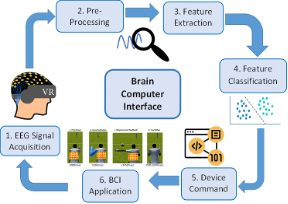
Brain-computer interface (BCI) systems, when integrated with Virtual Reality (VR) gaming, possess the potential to revolutionize human-computer interaction, offering an immersive and intuitive mode of control. This study delves deeply into the fundamental components of BCIs, focusing on computer algorithms and the cognitive skills of the human brain within the BCI-VR Goalkeeper framework. In the initial phase, the study conducts a comprehensive investigation, comparing the accuracy of six distinct algorithms: Linear Discriminant Analysis (LDA), Black Hole (BH), Multilayer Perceptron (MLP), Support Vector Machine (SVM), Decision Tree (DT), and Random Forest (RF). Furthermore, for the first time, it explores a novel dimension by examining the potential influence of various cognitive abilities—such as attention, spatial orientation, and mental body rotation—on individual performance within the BCI context, using Motor Imagery (MI). The study leverages VR technology to streamline environmental control, ensuring participant safety and augmenting engagement by implementing feedback and motivation through gamification techniques. This is particularly important, as the inherent static nature of the process can be perceived as monotonous. To enhance immersion and motivation, gamification elements are integrated, borrowing from gaming principles. In this gamified VR application, a soccer field scenario is employed, wherein participants endeavor to control a goalkeeper using MI-EEG signals to fend off shoots from a virtual soccer player. Additionally, the study employs four computerized tasks—namely, the Flanker task, the Spatial Cueing task, the Spatial Orientation task, and the Mental Body Rotation task—to investigate the influence of cognitive abilities in the context of BCI-VR control applications.
Cancer, Allostatic Load, and Regulation of Emotions: How Stress and Emotion Regulation Impact Mental and Physical Health of Breast and Testicular Cancer Patients
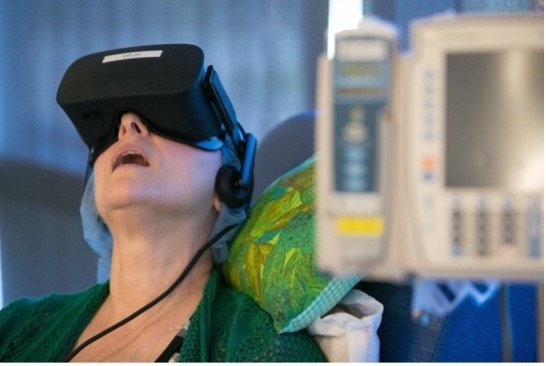
Improvements in cancer diagnosis and treatment strategies have led to more people living with cancer and concomitant mild-to-severe stress due to cancer-related health concerns and changes in life and functionality. Chronic stress can have a detrimental impact on patients’ health, as well as cancer progression and treatment outcomes, due to an over-activation of physiological systems involved in the body’s stress responses. Based on previous literature, we hypothesize that cancer-associated stress has toxic effects on health in patients with poor ability to manage emotions in a flexible and adaptive way. The CARE project aims to examine a wide range of biological and psychological stress markers in breast and testicular cancer patients: how their levels change throughout the first year after cancer diagnosis and how these biomarkers interact with patients’ emotion regulation ability and psychological flexibility. We will study the impact of these markers on physical and mental health and on cancer progression and treatment response using biochemical, epigenetic, and behavioral techniques. We will also assess how these stress-related changes can be managed using a modern, brief, easy and accessible eHome-care, self-delivered intervention, via momentary ecological assessment of emotions and health indices, to enhance emotion regulation skills, functionality and wellbeing. To this end, after baseline assessment of immune, neuroendocrine, stress biomarkers and tumor epigenetics, as well as emotional responding to an experimental emotion induction procedure, breast and testicular cancer patients will be assigned to a self-administered, eHome-care intervention or wait-list control groups. Effects of the intervention will be assessed on the same biomarkers in up to 9 months follow-ups. Findings from this project will provide reliable markers to predict at risk cancer patients that can benefit from psychological interventions, but also evidence for the ability of already existing interventions to reduce cancer-related stress and its effects on physical and mental health outcomes.
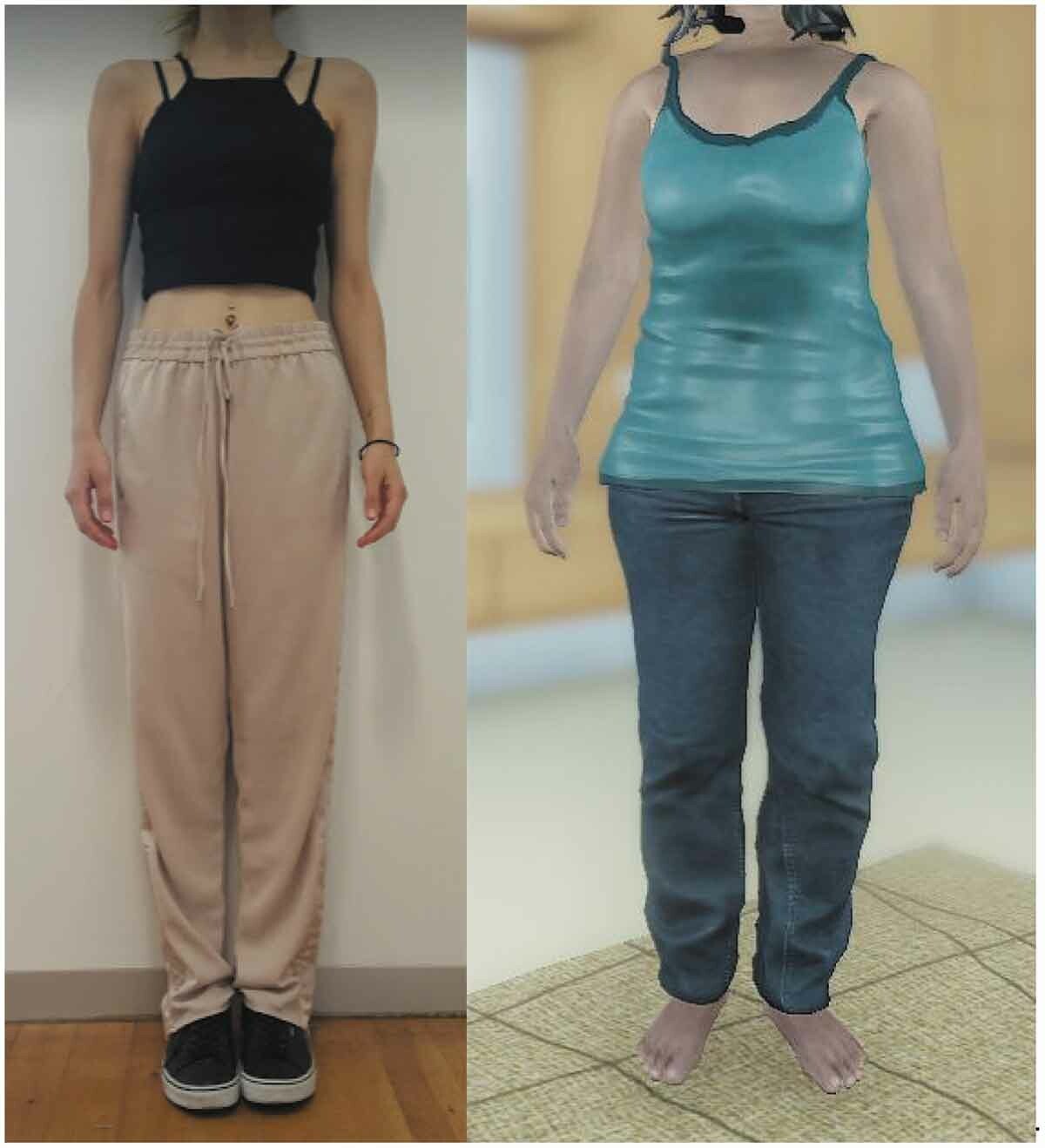
A multi-user virtual reality remote psychotherapy for body weight and shape concerns
Recent years have seen a growing research interest in designing computer-assisted health interventions aiming to improve mental health services. Digital technologies are becoming common methods for diagnosis, therapy, and training. With the advent of lower-cost VR head-mounted-displays (HMDs) and high internet data transfer capacity, there is a new opportunity for applying immersive VR tools to augment existing interventions. This study is among the first to explore the use of a Multi-User Virtual Reality (MUVR) system as a therapeutic medium for participants at high-risk for developing eating disorders. This paper demonstrates the positive effect of using MUVR remote psychotherapy to enhance traditional therapeutic practices. The study capitalizes on the opportunities which are offered by a MUVR remote psychotherapeutic session to enhance the outcome of Acceptance and Commitment Therapy, Play Therapy and Exposure Therapy for sufferers with body shape and weight concerns. Moreover, the study presents the design opportunities and challenges of such technology, while strengths on the feasibility, and the positive user acceptability of introducing MUVR to facilitate remote psychotherapy. Finally, the appeal of using VR for remote psychotherapy and its observed positive impact on both therapists and participants is discussed.